No-KYC Speed vs. Compliance: Navigating Fast Payouts at Bet25 and Jackbit
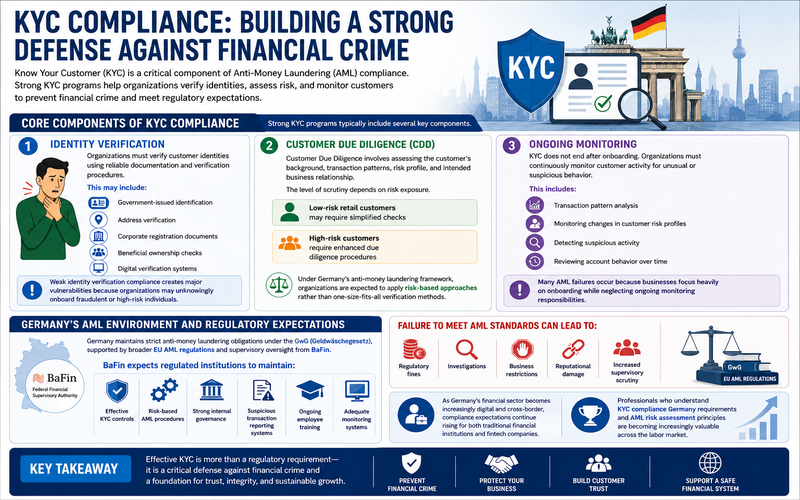
The digital frontier of online gambling is defined by a fundamental tension between speed and security. On one side, a growing cohort of crypto casinos like Bet25 and Jackbit champion the principles of anonymity and instant gratification, offering players no-KYC policies and withdrawals that process in minutes. On the other, a global regulatory push demands greater transparency and player protection through stringent identity checks. For the international player navigating this landscape, understanding the benefits of lightning-fast payouts versus the evolving demands of compliance is crucial to a safe and satisfying gaming experience. This deep dive explores the operational models of prominent no-KYC platforms, weighs the tangible player advantages against potential risks, and provides strategies for engaging with this dynamic sector responsibly.
The Allure of Anonymity and Instant Gratification
Platforms such as Bet25 and Jackbit have carved a significant niche by prioritizing user experience above all else, specifically in the realms of privacy and transaction speed. Their core offering is straightforward: deposit with cryptocurrency, play, and withdraw your winnings without ever submitting a passport, utility bill, or selfie. This model resonates powerfully with players who value financial privacy and those from regions where traditional online gambling faces restrictions. The absence of Know Your Customer procedures removes a significant friction point, allowing players like Marco from Italy or Anya from Canada to engage with the casino instantly. This seamless onboarding is paired with the holy grail of online gaming: genuinely fast payouts. When a player hits a substantial win on a popular slot like Pragmatic Play’s Gates of Olympus or survives a tense tournament in Evolution Gaming’s Lightning Roulette, the ability to access those funds immediately is a powerful draw. It transforms the digital casino from a place of deferred rewards into an arena of instant liquidity, mirroring the decentralized ethos of the cryptocurrency that fuels it.
Operational Mechanics of No-KYC Platforms
The technical backbone enabling this speed is the blockchain itself. When a player requests a withdrawal at Jackbit, for instance, the casino simply initiates a crypto transaction to the player’s provided wallet address. There is no intermediary bank, no fraud review department manually checking documents, and no waiting period for “processing.” The transaction is validated on the blockchain network, often within a single block confirmation. This process is further smoothed by the casinos’ use of widely supported coins like Bitcoin, Ethereum, Litecoin, and Tether. Bet25’s presence on rankings for instant-withdrawal casinos is a testament to its reliable execution of this model. They leverage smart contracts and automated systems to facilitate payouts that can often be completed while the player is still logged into their account, a stark contrast to the multi-day waits common at traditional online casinos.
Weighing the Benefits Against the Regulatory Shadow

The player benefits of the no-KYC model are tangible and significant. Beyond privacy and speed, these platforms often feature more competitive bonuses, as they are not burdened by the high costs of compliance teams and licensing fees in multiple jurisdictions. A player might find a more generous welcome package or lower wagering requirements on a Bet25 promotion compared to a fully licensed UKGC operator. Furthermore, the global accessibility means that enthusiasts can follow and bet on a diverse array of events, from the intense matches of the Counter-Strike Pro League to the grand slams of tennis, without geographic limitations often imposed by regulated entities.
The Inherent Risks and Lack of Recourse
However, this libertarian approach exists in a regulatory gray area. The primary risk for players is the lack of formal oversight. If a dispute arises—over a withheld bonus, a contested game outcome from a provider like Play’n GO or NetEnt, or an account closure—there is no gaming commission or regulatory body to file a complaint with. The terms of service are the final arbiter. This places a high burden on the player to thoroughly understand the rules of each promotion and game. Additionally, the anonymity that protects the user also potentially shields the operator from accountability, a dynamic that can be exploited by malicious actors. While established names like Jackbit and Bet25 build their reputation on reliability to stay competitive, the sector is not immune to bad actors who might vanish with player funds. The trend toward stricter global compliance, driven by bodies like the Malta Gaming Authority and the evolving frameworks in markets like Ontario, Canada, casts a long shadow. It raises questions about the long-term viability of a pure no-KYC model and whether these platforms will eventually face pressure to adapt or restrict access from regulated countries.
Strategies for the Savvy Crypto Gambler
Navigating this ecosystem successfully requires a proactive and informed approach. Players should prioritize platforms with a proven track record and transparent communication, looking for those featured in independent casino rankings and with active, community-vetted reputations. It is essential to treat these casinos as cash-only environments; only deposit cryptocurrency you are prepared to lose, and never share your private wallet keys. Understanding the game providers is another key strategy. Sticking to games from renowned software houses like BGaming, Betsoft, and Yggdrasil, which undergo regular third-party audits for fairness, can offer an additional layer of confidence in the gaming outcomes. Furthermore, savvy players monitor blockchain transaction fees, sometimes choosing coins like Litecoin or Bitcoin Cash for smaller withdrawals to ensure speed and cost-efficiency.
Future-Proofing Your Play
As the regulatory landscape shifts, players engaged with no-KYC casinos should be prepared for change. This might involve platforms introducing “soft” KYC for larger withdrawals or for users from specific jurisdictions. A prudent strategy is to maintain a diversified gaming portfolio, not keeping excessive balances on any single unregulated platform. Engaging with the community through forums and social channels can provide early warnings about any changes in policy or service issues. Ultimately, viewing the instant withdrawal as a privilege of the current model, not a guaranteed permanent feature, allows players to adapt without frustration. The enjoyment of a fast payout after a successful bet on the UEFA Champions League or a hot streak on Live Blackjack should be balanced with an awareness that the platform’s operational freedom is a double-edged sword.
The Balancing Act: Speed, Security, and Personal Responsibility
The choice between the blistering speed of a no-KYC casino and the fortified security of a fully licensed operator is a personal calculus. For many in the international community, the trade-off is worthwhile, offering an unrivaled combination of accessibility and immediacy. Platforms like Bet25 and Jackbit serve this demand effectively, providing a gateway to a vast library of slots, live dealer games, and sports markets with minimal friction. Yet, this convenience comes with the acceptance of risk. The movement toward comprehensive KYC compliance is not merely bureaucratic; it aims to prevent money laundering, protect vulnerable individuals, and ensure fair dispute resolution—goals that benefit the integrity of the entire industry. Players must therefore anchor their experience in personal responsibility, setting strict deposit limits, viewing gambling purely as entertainment, and never chasing losses. The fast-paced world of crypto gambling rewards the informed. By understanding the mechanics, acknowledging the risks, and implementing sound strategies, players can enjoy the innovations of no-KYC platforms while safeguarding their own interests in an uncertain regulatory environment. Remember, gambling should always be a form of leisure, not a source of income or financial stress. If you feel your gambling is becoming a problem, seek help immediately from professional organizations dedicated to responsible gambling support.

Written by