The €37.25M Dutch Fine: A Crypto Compliance Warning for Offshore Operators
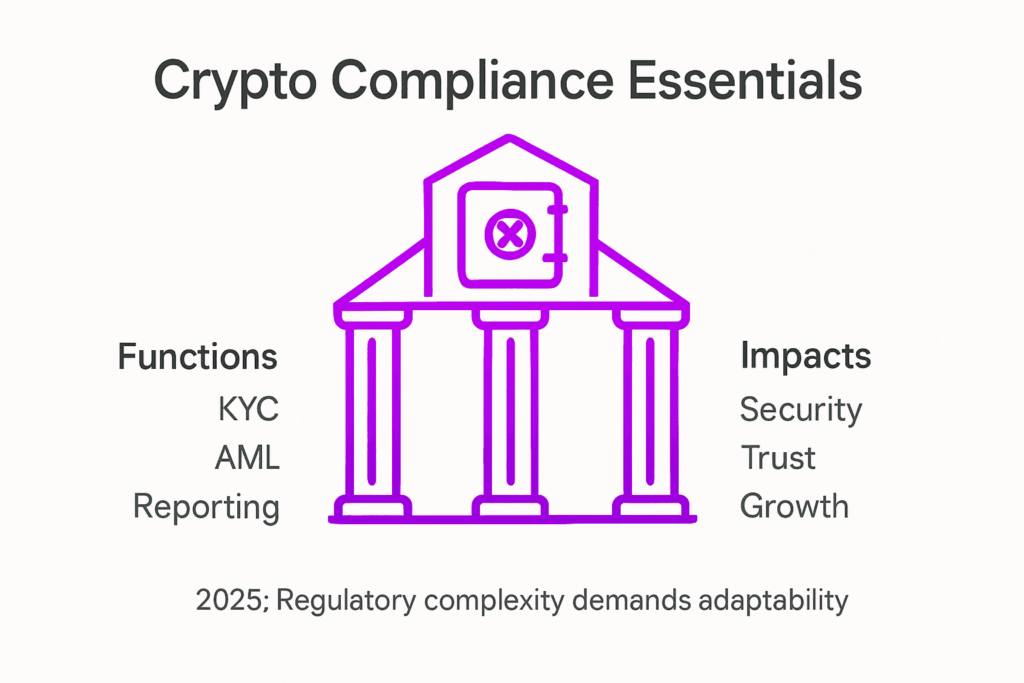
The recent enforcement action by the Dutch gambling authority, Kansspelautoriteit (KSA), against EOD Code SRL represents one of the most significant regulatory earthquakes in the crypto gambling sector. With a staggering fine of €37.25 million levied for offering unlicensed gambling via Instantcasino and associated platforms to Dutch players, this case sends a clear and costly message to offshore operators. Crucially, the KSA explicitly cited the acceptance of cryptocurrency deposits as a key part of the illicit offering. This landmark decision transcends a simple national licensing dispute; it serves as a stark compliance warning for any crypto gambling business targeting players in regulated markets from offshore jurisdictions. The era of assuming crypto provides anonymity and a regulatory shield is decisively over.
Deconstructing the Instantcasino Enforcement Action
The KSA’s fine against EOD Code SRL, the entity behind the Instantcasino brand, was not an impulsive decision but the culmination of a detailed investigation. Regulators established that the operator was actively targeting Dutch players without holding the requisite licence under the Dutch Gambling Act. The operation was sophisticated, involving multiple websites and a clear focus on the Dutch market, including language and payment method adaptations. What made this case particularly noteworthy for the crypto community was the regulator’s specific mention of crypto deposits. By accepting cryptocurrencies like Bitcoin or Ethereum, Instantcasino likely believed it was operating under the radar of traditional financial monitoring. However, the KSA demonstrated that the method of deposit is secondary to the act of offering games to players within a protected jurisdiction. This fine, one of the largest ever issued by the KSA, underscores that regulators are not only watching but are also willing to impose penalties that can cripple an offshore business.
The Illusion of Crypto Anonymity in Gambling
Many offshore operators have historically viewed cryptocurrency as a veil, believing that pseudonymous transactions create a barrier to regulatory oversight. The Instantcasino case shatters this illusion. Regulators are increasingly adept at tracing on-chain activity and correlating it with online behavior, such as IP addresses and player account data. Brands like Stake, which has navigated various regulatory landscapes, understand that compliance is not optional. The KSA’s action proves that offering games, whether funded by fiat via Skrill or crypto via Coinbase, to players in a restricted market is the primary offense. The technology behind the payment is irrelevant to the licensing requirement.
Beyond Borders: The Reach of European Regulators
This enforcement highlights a growing trend of European regulators asserting extraterritorial reach. Similar to the UK Gambling Commission’s actions against unlicensed operators, the KSA has shown it will pursue entities regardless of their physical location. For operators based in jurisdictions like Curaçao or Malta, but targeting players in the Netherlands, Germany, or Sweden, this is a critical development. It signals that holding a licence in one jurisdiction does not grant a passport to operate in another. The regulatory perimeter is defined by the player’s location, not the operator’s server.
The High Stakes for Offshore Crypto Operators

The €37.25 million fine is not merely a line item; it is a strategic deterrent designed to change the calculus for offshore operators. For smaller brands, a penalty of this magnitude could be existential. It creates a formidable financial risk that must be factored into any business model targeting regulated markets. This action elevates compliance from a back-office function to a core strategic pillar. Operators must now conduct rigorous geo-blocking, implement robust Know Your Customer (KYC) procedures that verify location, and carefully vet their payment gateways to ensure they are not inadvertently facilitating access from prohibited jurisdictions. The days of using a simple VPN disclaimer are long gone; proactive, technologically enforced player segregation is now the minimum standard.
Player Protection as a Regulatory Driver
At its heart, this enforcement is about channeling players toward the regulated market. Licensed operators in the Netherlands, such as Bet365, LeoVegas, and Holland Casino Online, adhere to strict rules on advertising, deposit limits, addiction prevention, and fair game integrity. Their offerings include certified games from providers like NetEnt, Play’n GO, and Pragmatic Play, which are regularly audited for Random Number Generator (RNG) fairness. When players engage with unlicensed sites like Instantcasino, they forego these protections. They have no recourse to the Dutch regulator in case of disputes, and the games they play may not be independently verified. The KSA’s aggressive fine is ultimately a move to safeguard its citizens by making the unlicensed option economically unviable for operators.
Actionable Strategies for Crypto Gambling Businesses
In light of this precedent, crypto gambling operators must adopt a proactive and meticulous compliance strategy. First and foremost, businesses must conduct a thorough market access analysis before accepting players from any jurisdiction. This means understanding not just the licensing requirements, but also the specific legal stance on cryptocurrency use within gambling in that country. Secondly, investment in sophisticated geolocation technology is non-negotiable. Relying on a single data point, such as IP address, is insufficient; a layered approach using device fingerprinting and other checks is required to reliably block access from restricted territories. Thirdly, payment processing must be carefully configured. Operators should work with providers that can flag and block transactions originating from banks or crypto wallets linked to prohibited regions. Finally, marketing and affiliate partnerships must be scrutinized. Any third-party promoter targeting players in a jurisdiction where the operator is not licensed creates direct liability, as seen in the Instantcasino case where targeted marketing to Dutch players was a key factor.
Embracing Licensing as a Competitive Advantage
For forward-thinking crypto operators, the path forward may involve seeking licences in key markets, even if the process is arduous. Brands like Bitcasino, which holds a licence in Estonia, demonstrate that crypto-native operations can align with regulatory frameworks. Obtaining a licence, such as a Malta Gaming Authority (MGA) licence or a licence under the new Curaçao regulatory framework, signals a commitment to compliance that can attract a more sustainable player base. It allows for legitimate marketing and partnerships, such as sponsoring events like the World Series of Poker or collaborating with mainstream influencers, without the constant fear of enforcement action. In a crowded market, a strong compliance record can become a unique selling point.
The Future Landscape of Crypto Gambling Regulation
The Instantcasino fine is a bellwether, not an anomaly. We can expect other European regulators, such as Spelinspektionen in Sweden or the Gemeinsame Glücksspielbehörde der Länder (GGL) in Germany, to take similarly hard lines against unlicensed crypto gambling operations. The regulatory focus will likely expand beyond just the operator to include ancillary services. This could mean pressure on cryptocurrency exchanges to monitor gambling-related transactions, or on game providers like Evolution Gaming or BGaming to ensure their content is only distributed to properly licensed partners. The entire ecosystem is under scrutiny. For players, this may mean a temporary reduction in the number of accessible offshore crypto casinos, but a longer-term shift towards a safer, more transparent, and sustainable industry where consumer protection is paramount.
Navigating Uncertainty as a Player
For the international player, this evolving landscape requires heightened awareness. Before depositing funds, especially in cryptocurrency, into any gambling site, verifying the operator’s licensing status is crucial. A legitimate licence should be prominently displayed, often in the website footer, with a clickable link to the official regulator’s register. Players should be wary of sites that openly advertise in jurisdictions where they clearly lack a licence, as this was a central element in the KSA’s case against Instantcasino. Utilizing the responsible gambling tools offered by licensed sites, such as deposit limits, time-outs, and self-exclusion options, is essential for safe play. Remember, if a deal or a site seems too good to be true, bypassing player protections, it likely is.
Engaging in gambling, whether with traditional currency or cryptocurrencies like Bitcoin, should always be done responsibly. It is vital to view gambling purely as a form of entertainment, not as a way to generate income. Set strict limits on the time and money you are willing to spend before you start playing, and never chase losses. If you find that gambling is negatively impacting your life or finances, seek help immediately from professional organizations such as Gamblers Anonymous. The move towards stricter regulation, as exemplified by the Dutch fine, aims to create a safer environment, but the ultimate responsibility for controlled play rests with the individual.

Written by